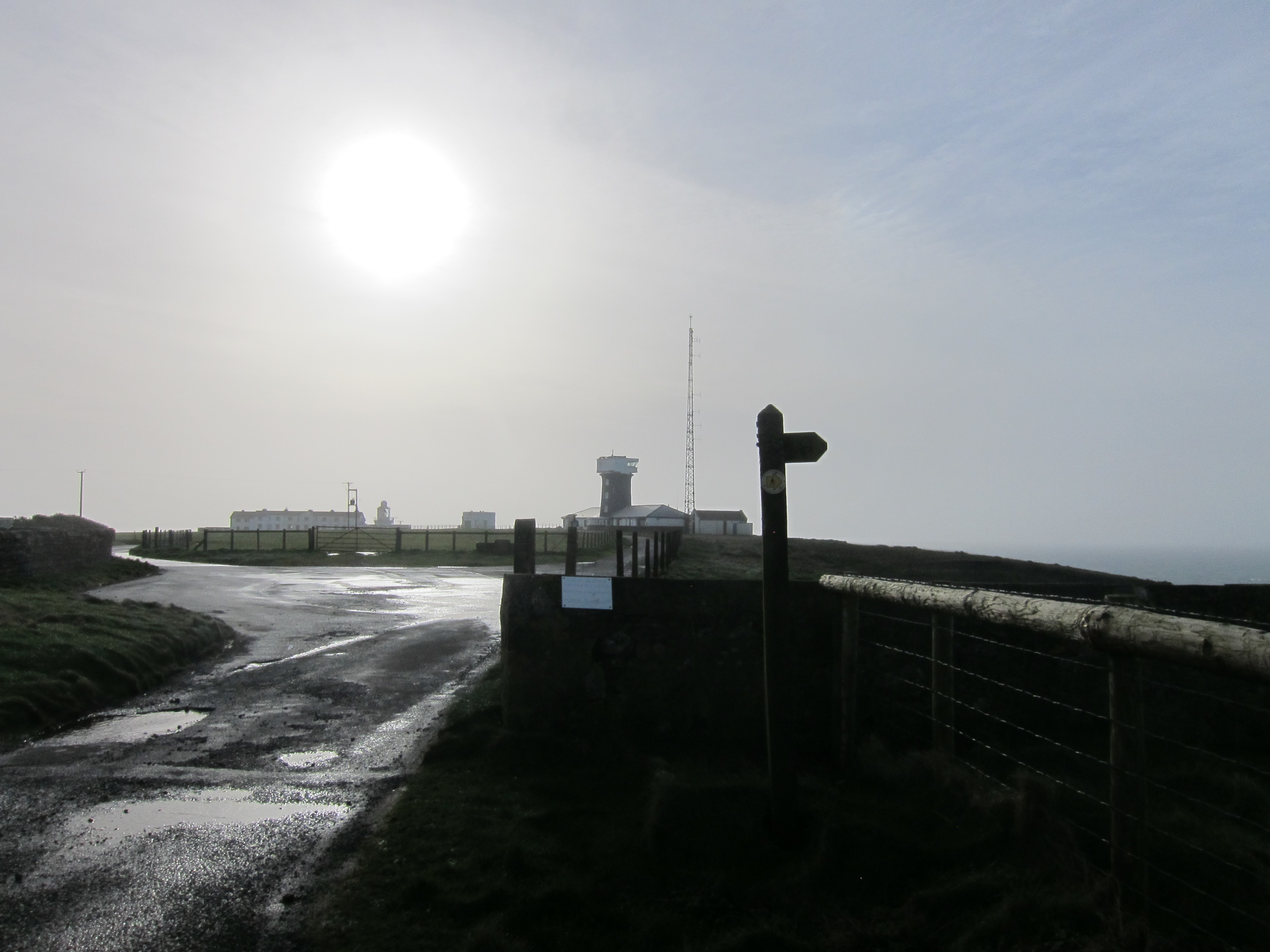
I parked at Strumble Head Lighthouse and waited for ages for the taxi booked to collect me. He had asked me which carpark, and I said the one by the lighthouse, but no sign of anyone and no phone signal. Some kind people offered to phone when they got within signal, and eventually the taxi turned up. Apparently, there is a second car park, but I definitely said the one nearest. The journey to Porth Gain took ages, and then he sprang a large surcharge on me, claiming it was required by Pembrokeshire County Council. At the time, I paid up, but thinking it over during the day, I think I’ve been scammed…oh well.
I’d planned to have breakfast at the Sloop Inn, but, rather than the juicy bacon bap I had been fantasising about, they only had pastries. Nice, but not the full-on breakfast I like to have before a walk. Today, although equally sunny, was much windier than yesterday – in fact, I couldn’t keep my hat on, despite it having attractive strings that set it off elegantly. I had a clearer sight today of the marker beacons around Porth Gain, for directing shipping. The scenery was similar to yesterday afternoon, but the path was much quieter. The first place of any note was Trefin, where there was once a mill, and the ruins and the little bridge over the millstream are very picturesque.

After Trefin, there is the lovely little port of Abercastell then Abermawr, another long beach, although this one is pebbly rather than sandy, then Aberbach. (Aber is the Welsh term for river mouth or estuary).

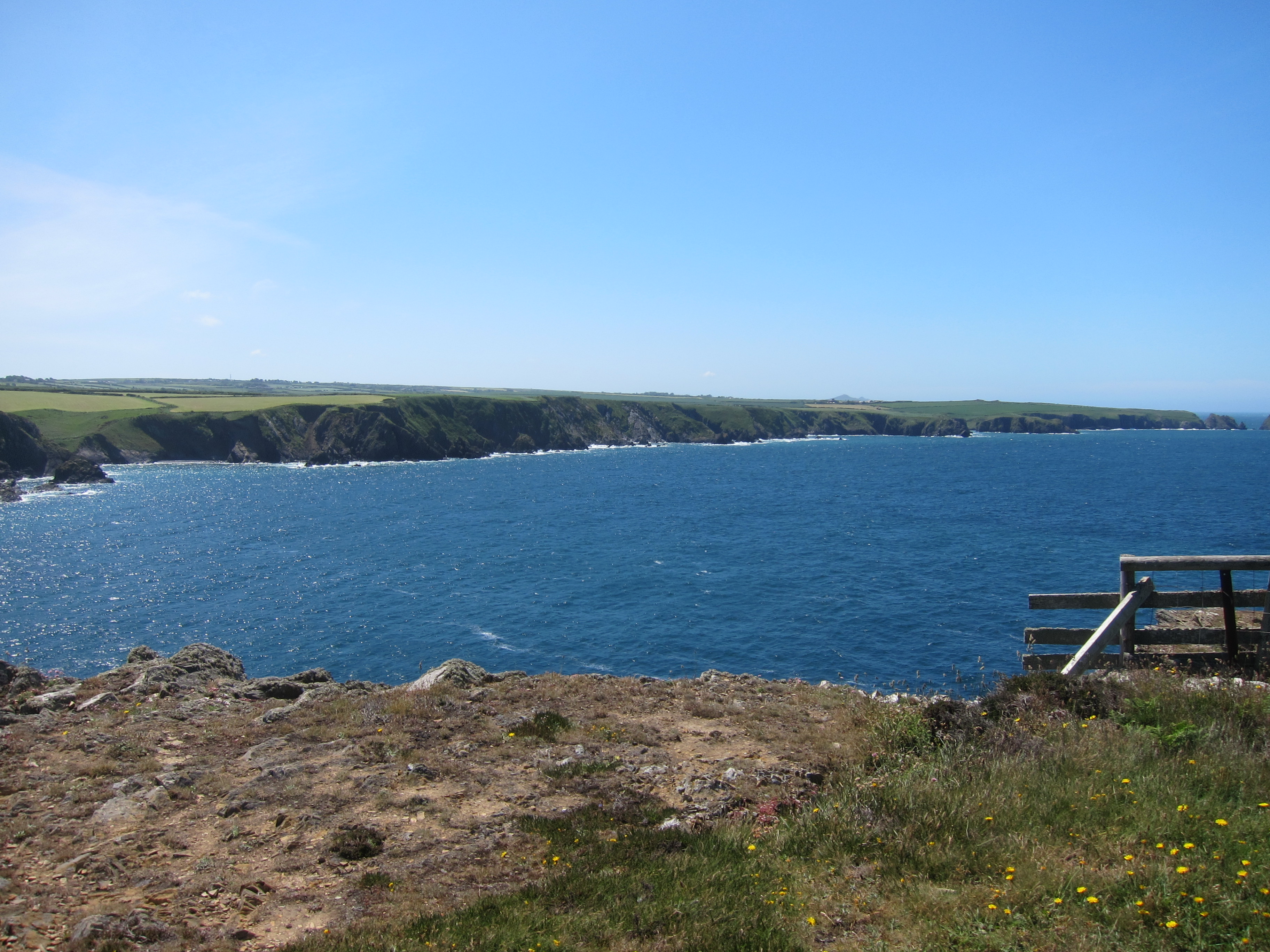
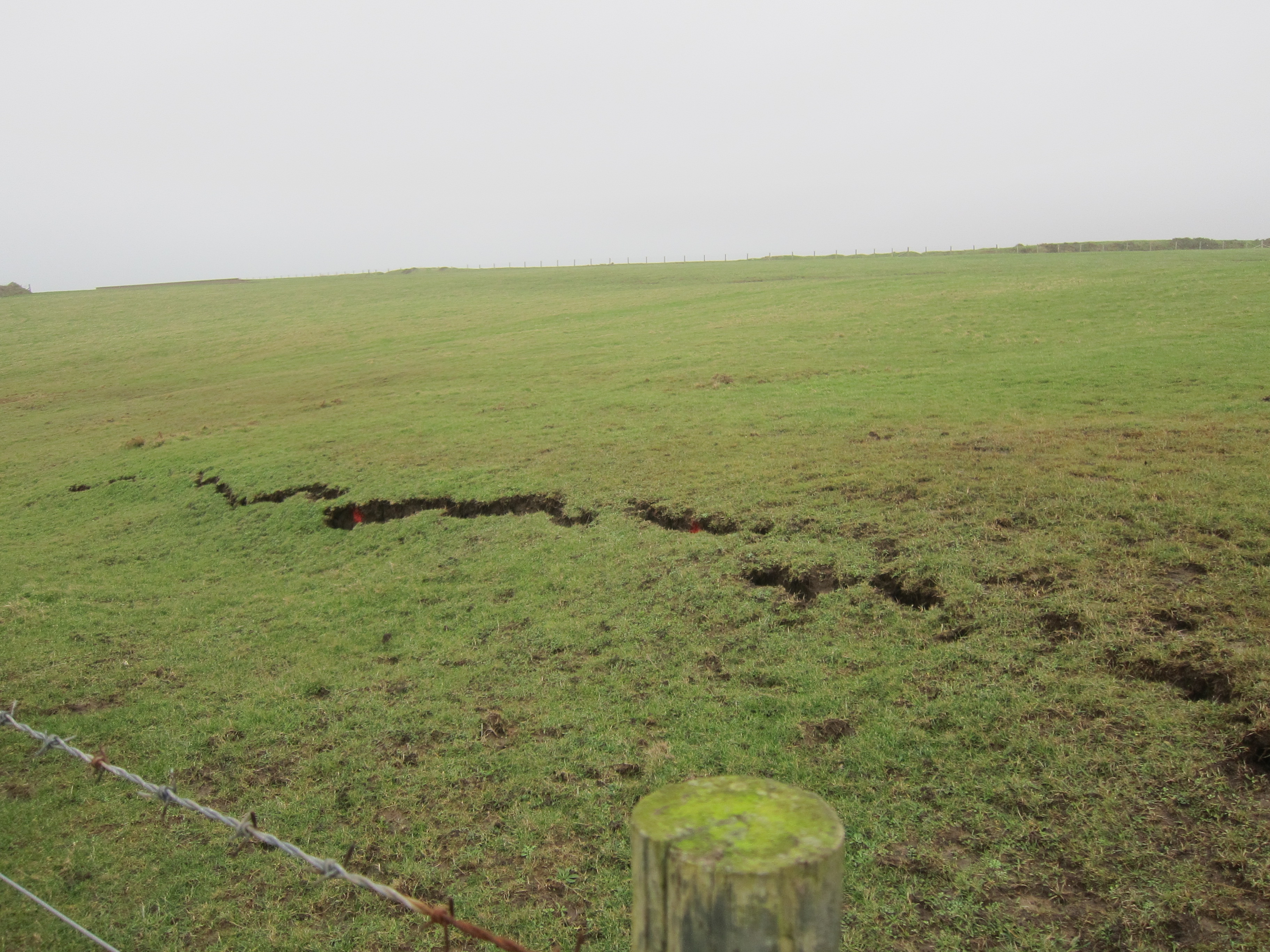
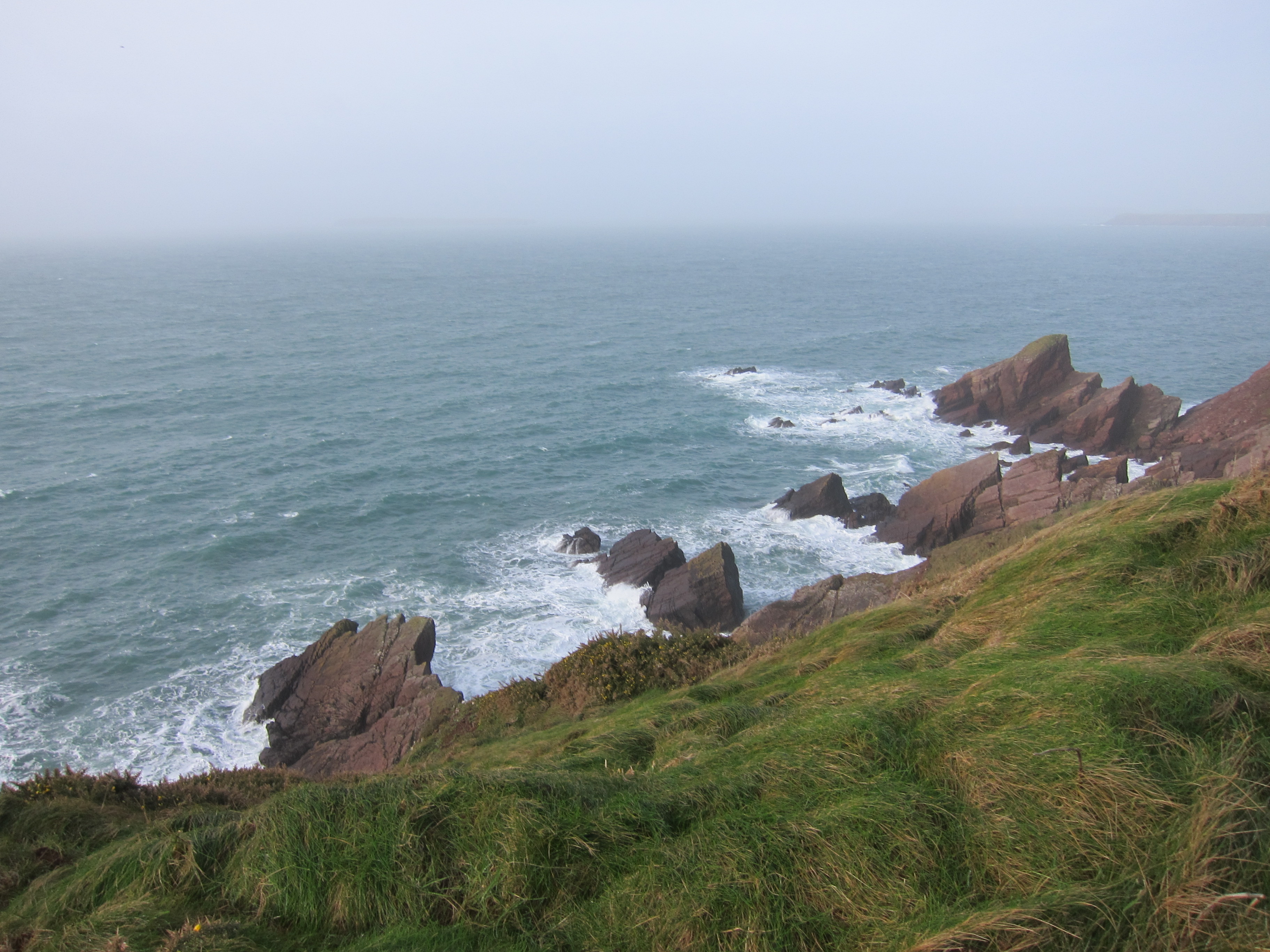
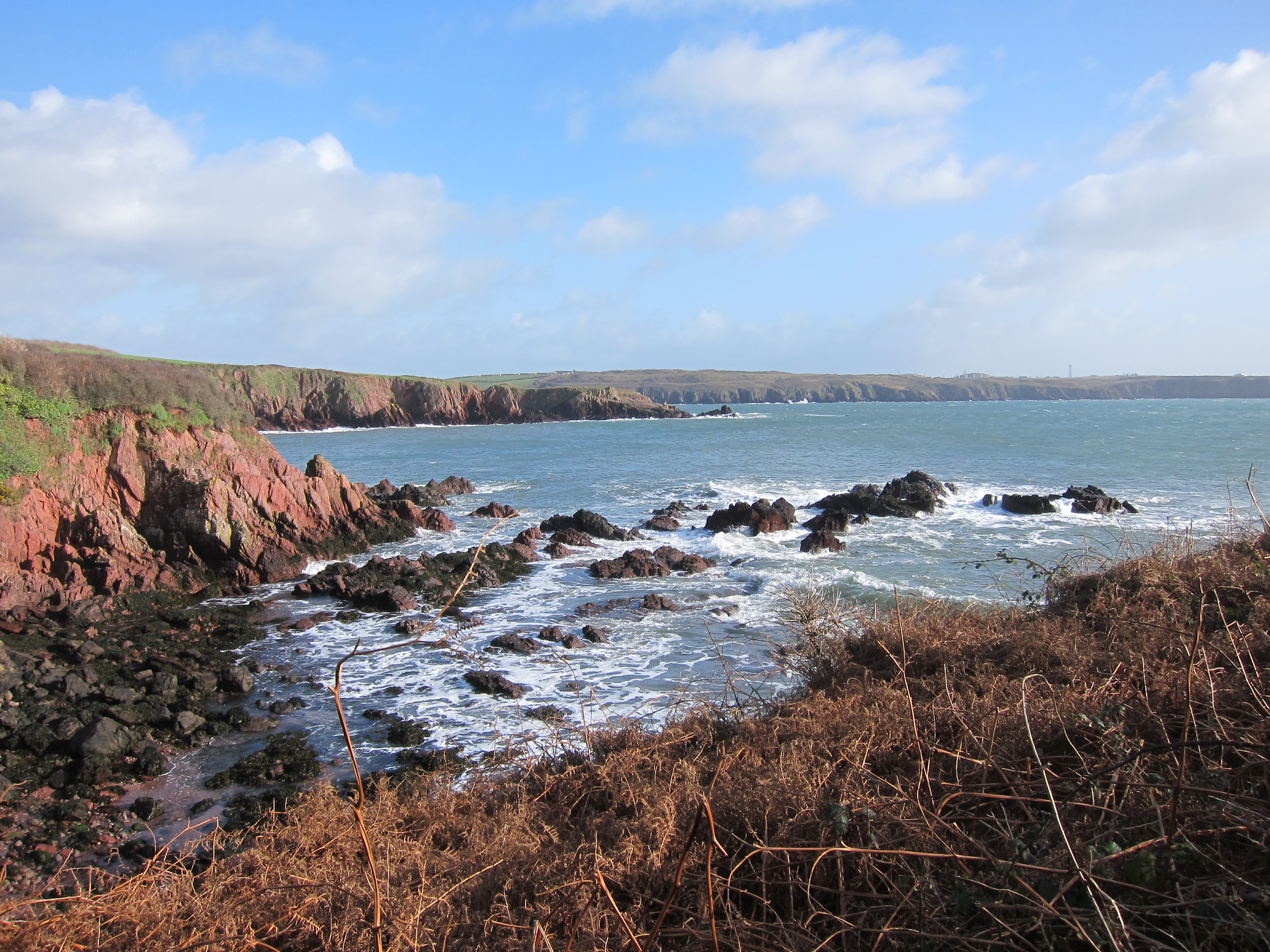
On the whole the cliff tops seem to be getting flatter, with very steep craggy sides, and as I noted yesterday, there are few trees. Coastal erosion is very obvious along this stretch, with walls close to the cliff edge, and quite a few places where fencing dangles over a steep drop. Although today was shorter, it felt much longer, partly because, once I could see the lighthouse, I felt I should be getting close, but there were so many inlets to walk around that it often felt like it was getting further away. I passed a few wild ponies, just before a slightly tricky scramble, which I fondly thought would bring me close to the end point, but when I reached the top, I discovered another whole headland to get around.
Still lots of wonderful wildflowers, although not so many as yesterday. As I tootled along, I was turning over in my mind the birds I had seen and regretting not having seen any choughs. Weirdly, I looked around, and there was a chough immediately in front of me. I can’t quite decide whether I had heard it (although I wouldn’t have expected to recognise its call) or had caught sight of it unconsciously and my brain then presented me with the idea of choughs. Or something more spooky. Sadly, thinking about winning the lottery has failed to present me with a winning ticket immediately thereafter so I should probably discount any supernatural powers of seeing the future.

The wind dropped off a bit, and altogether, it was another fabulous day, although by the end I was quite tired. I finished off the holiday with fantastic fish and chips in Fishguard.
14 miles.
Gold


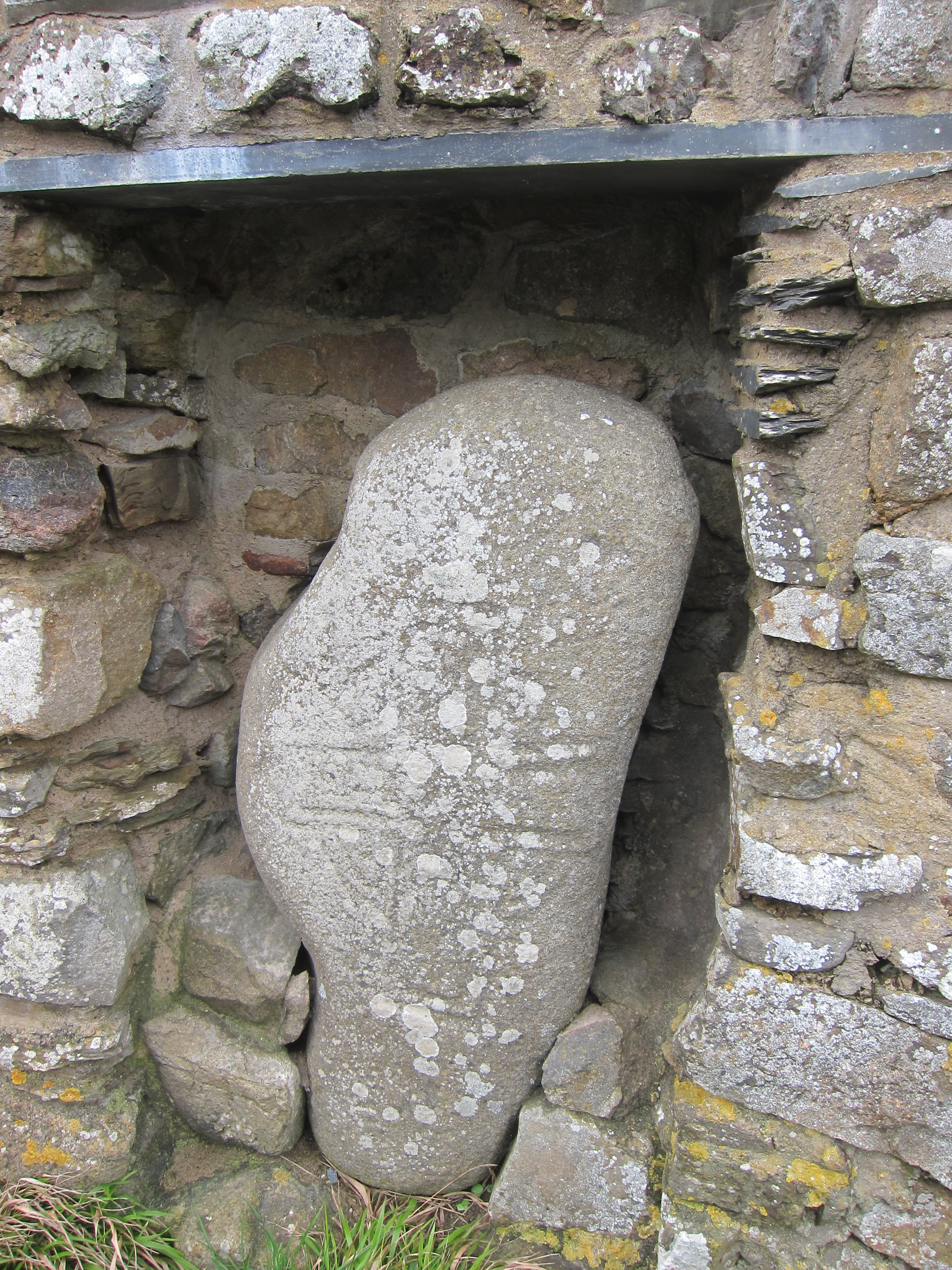
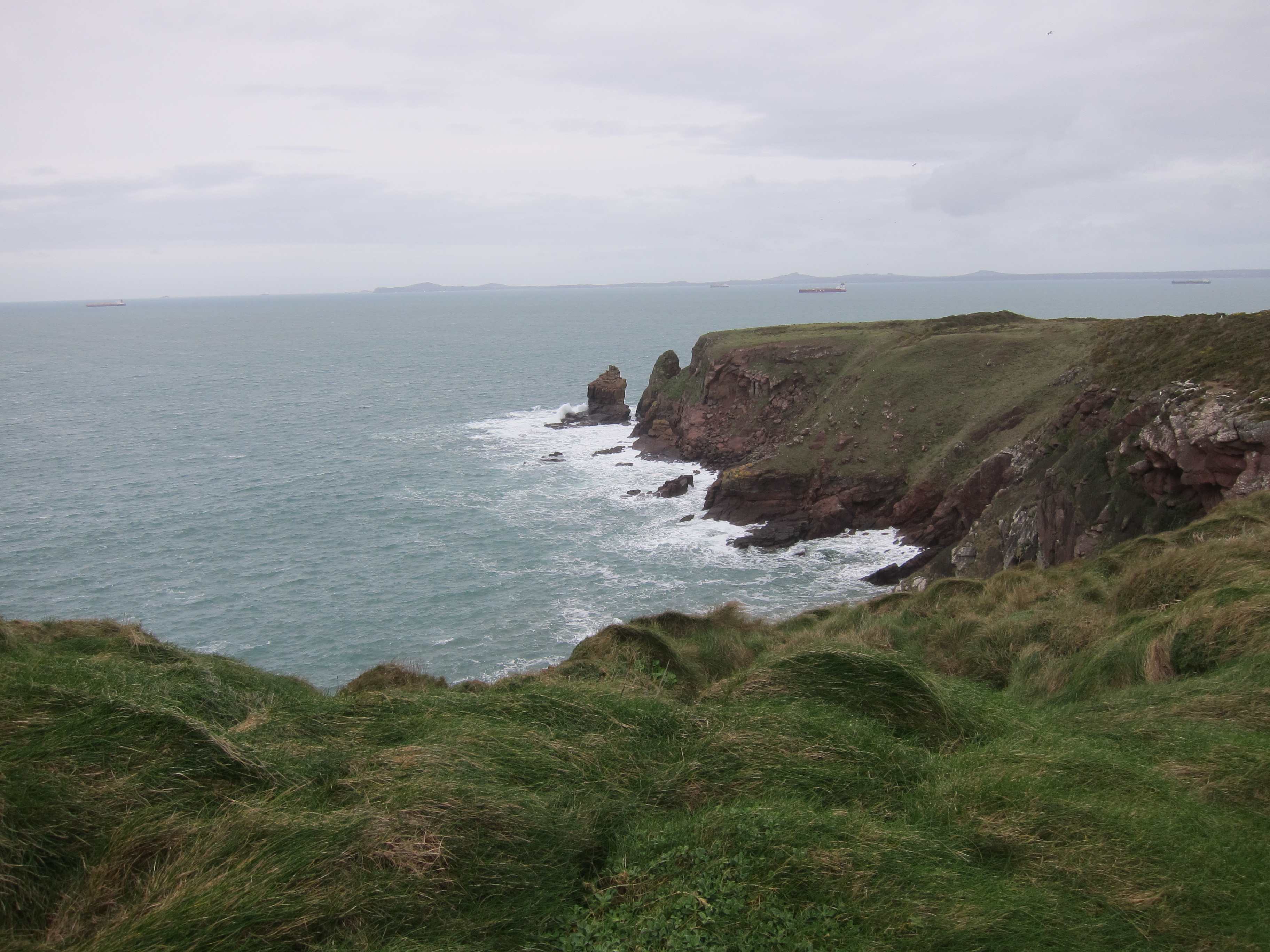
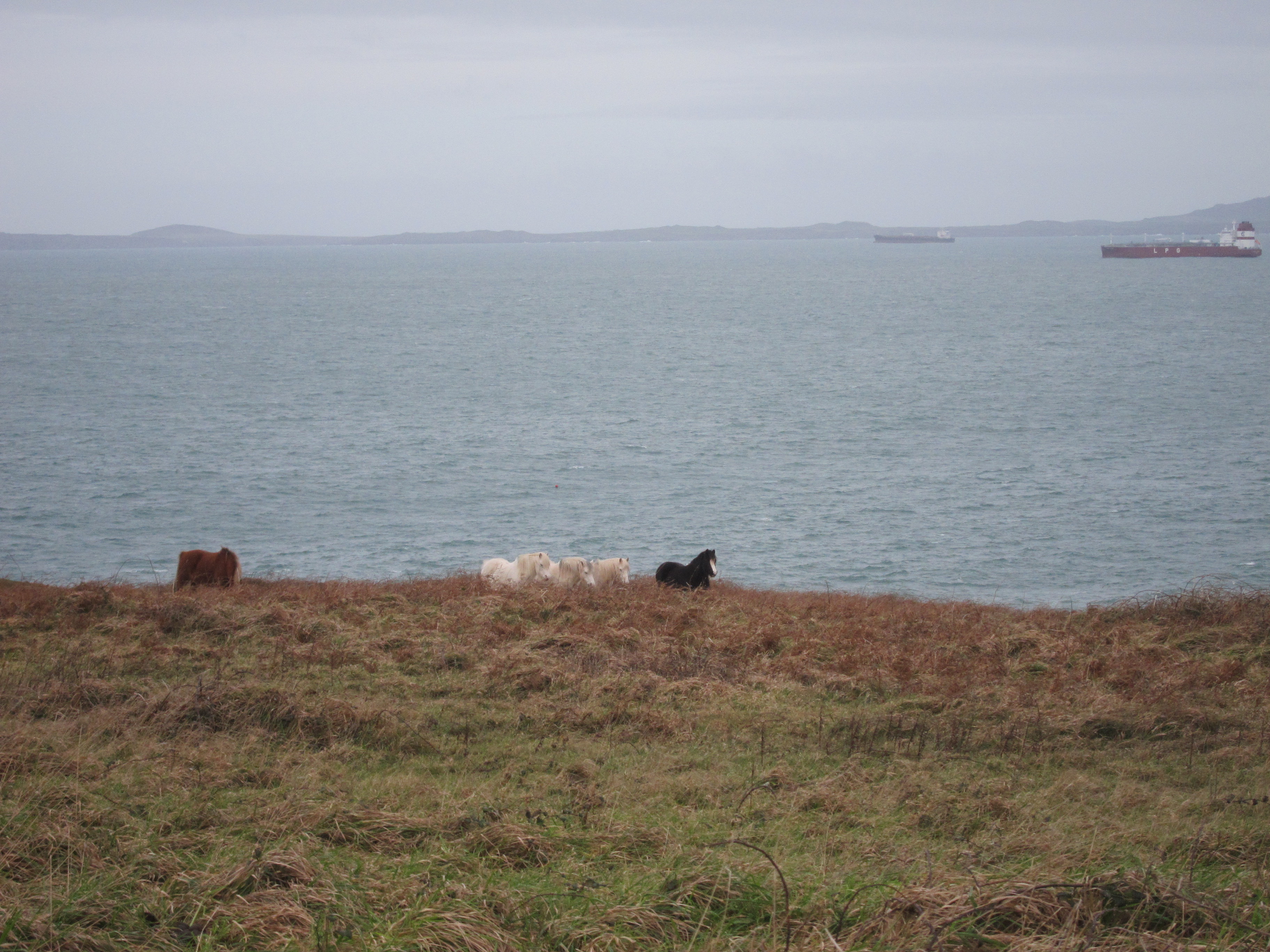
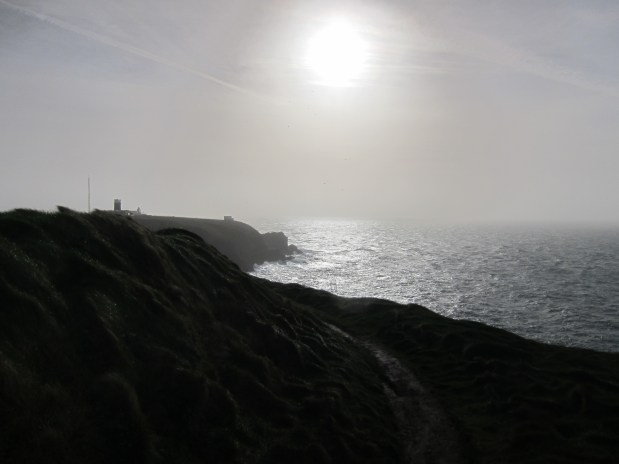

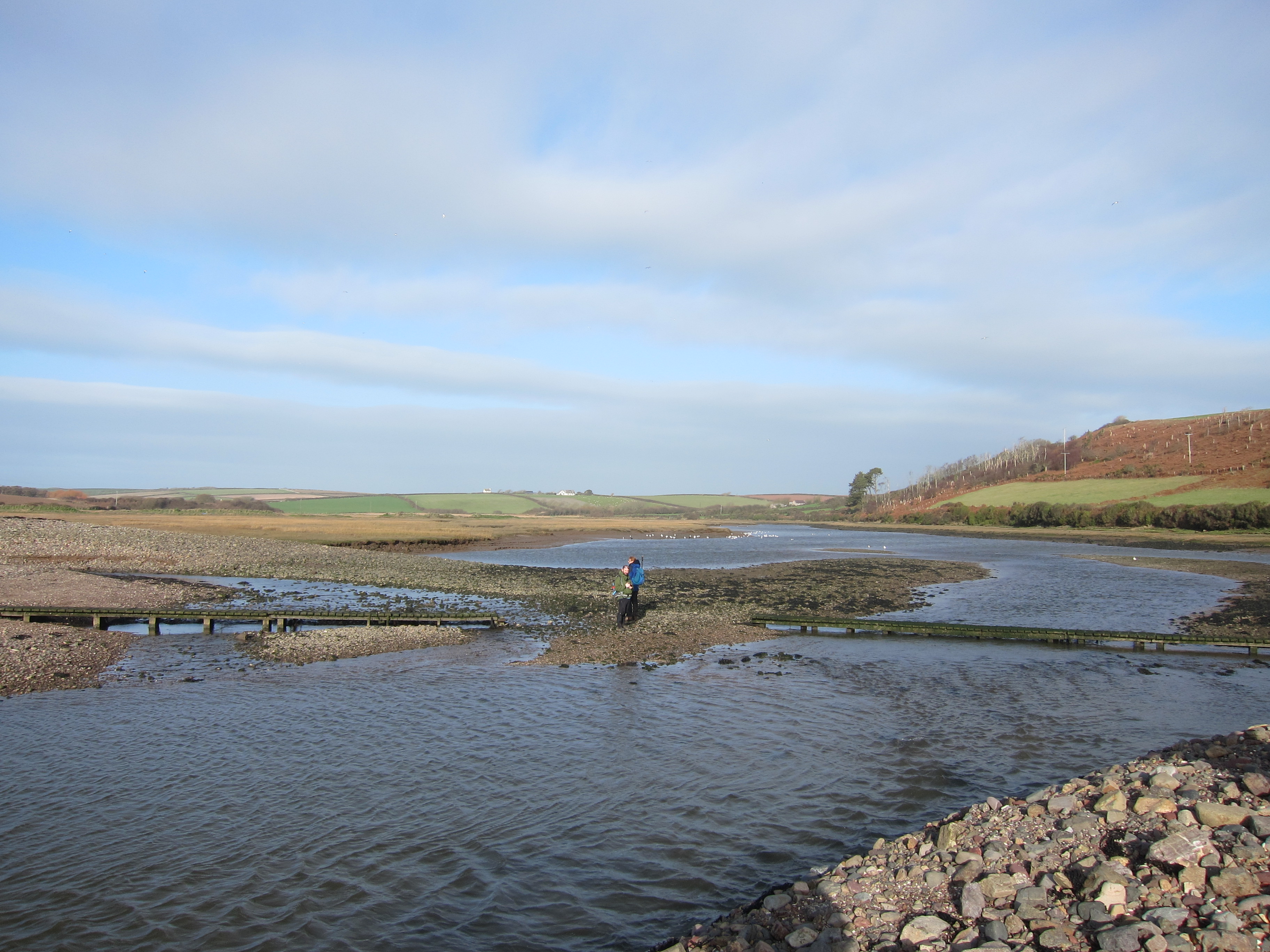
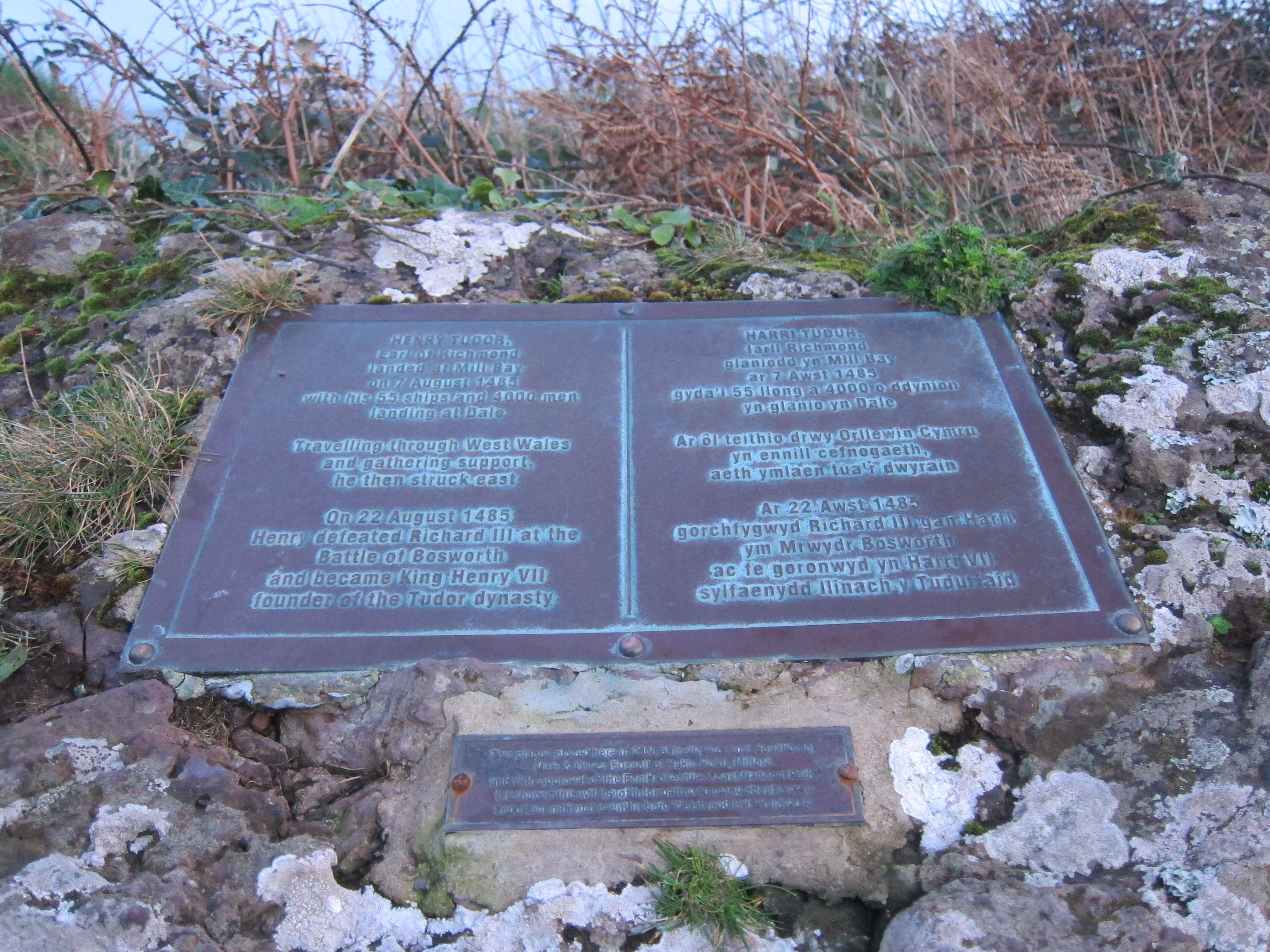

 The weather was pretty foul, and the forecast was worse. On the upside, I am staying at a gorgeous AirBandB in the little city of St David’s – one of the nicest places I’ve stayed on the whole walk, and I also have the pleasure of friends joining me.
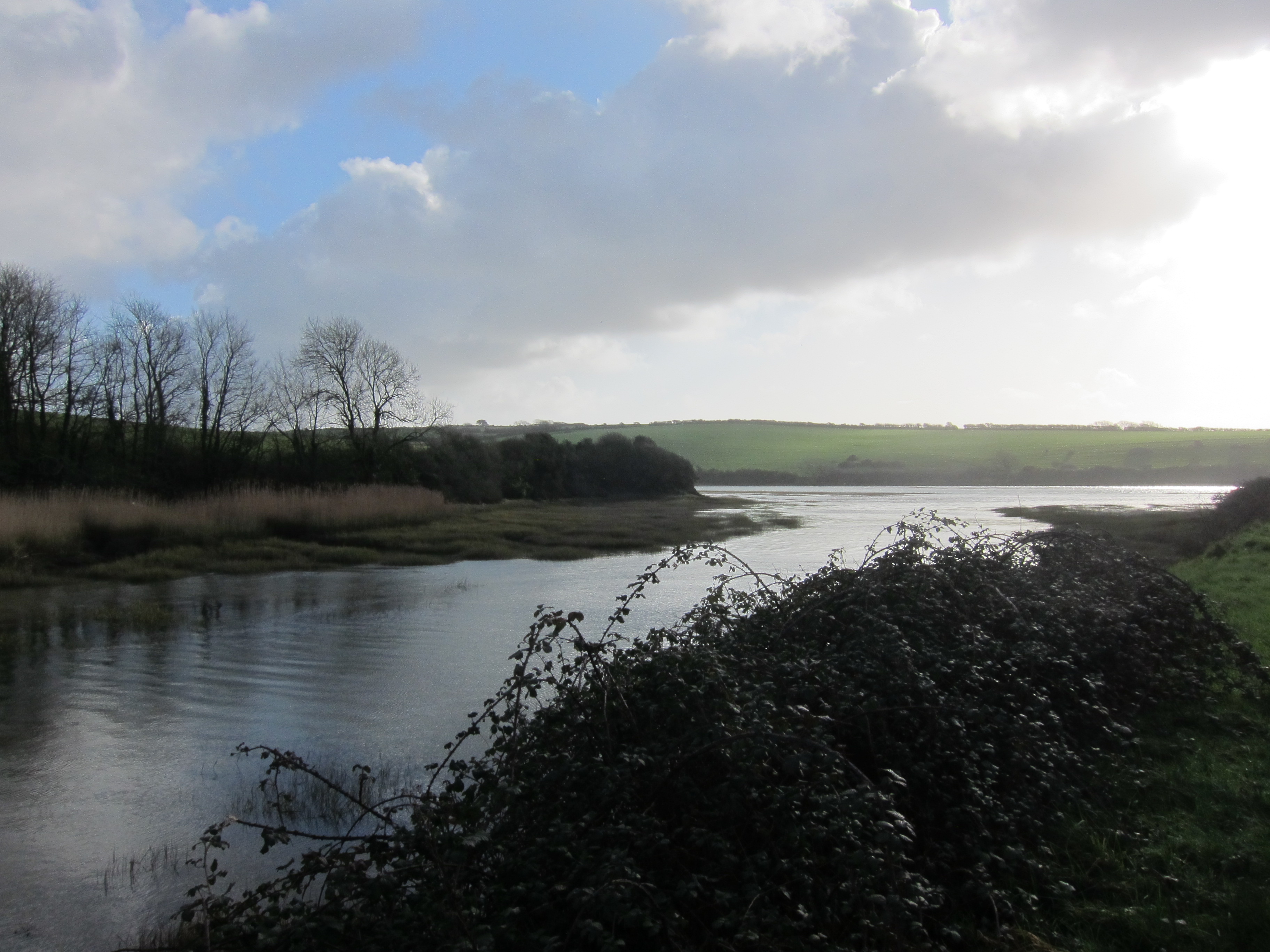
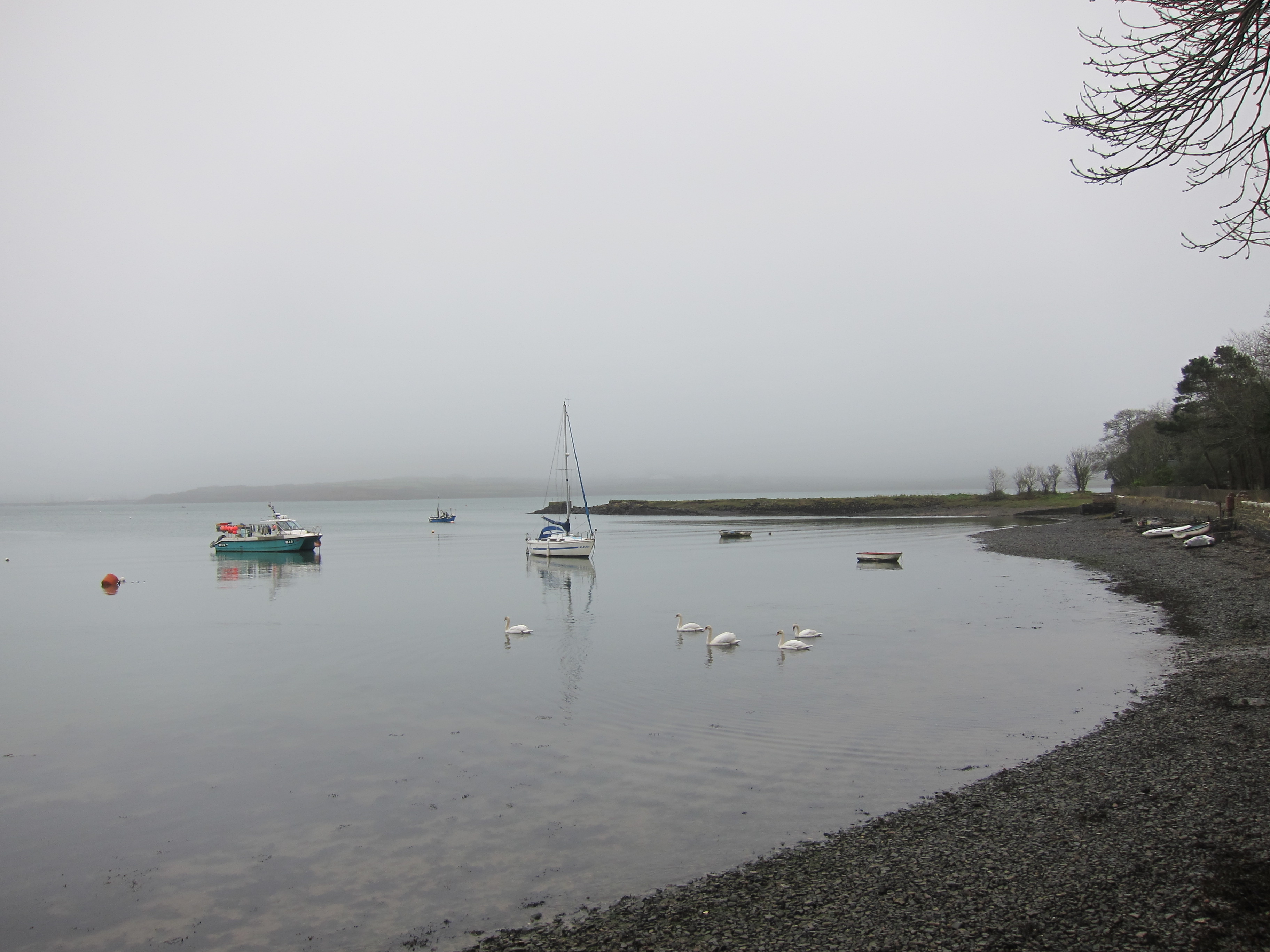 It was hard to believe that we were close to the massive refineries and industrial complexes of Milford Haven. Once round Angle Bay, the path meanders inland behind the huge Pembroke refinery, which, astonishingly, is cheek by jowl with a 14th century tower house. We could see Fort Popton on the headland, built for defence during the prime-minstership of the bellicose Lord Palmerston – he of the gun-boat diplomacy. Because of the lie of the land, the refinery was surprisingly invisible as we passed east and south of it, although when we came round Pwllrochan Flats, we passed under the pipes. Once away from the shore, the path went into woodland,
 I had over trousers on but my trousers are still caked with mud to the knees. Spring has come early to Pembrokeshire, and there were swathes of snow-drops in the wooded sections. We passed the old St Mary’s Church at Pwllchrochan, which is now a private house. It has the distinctive spire atop a square tower of the district.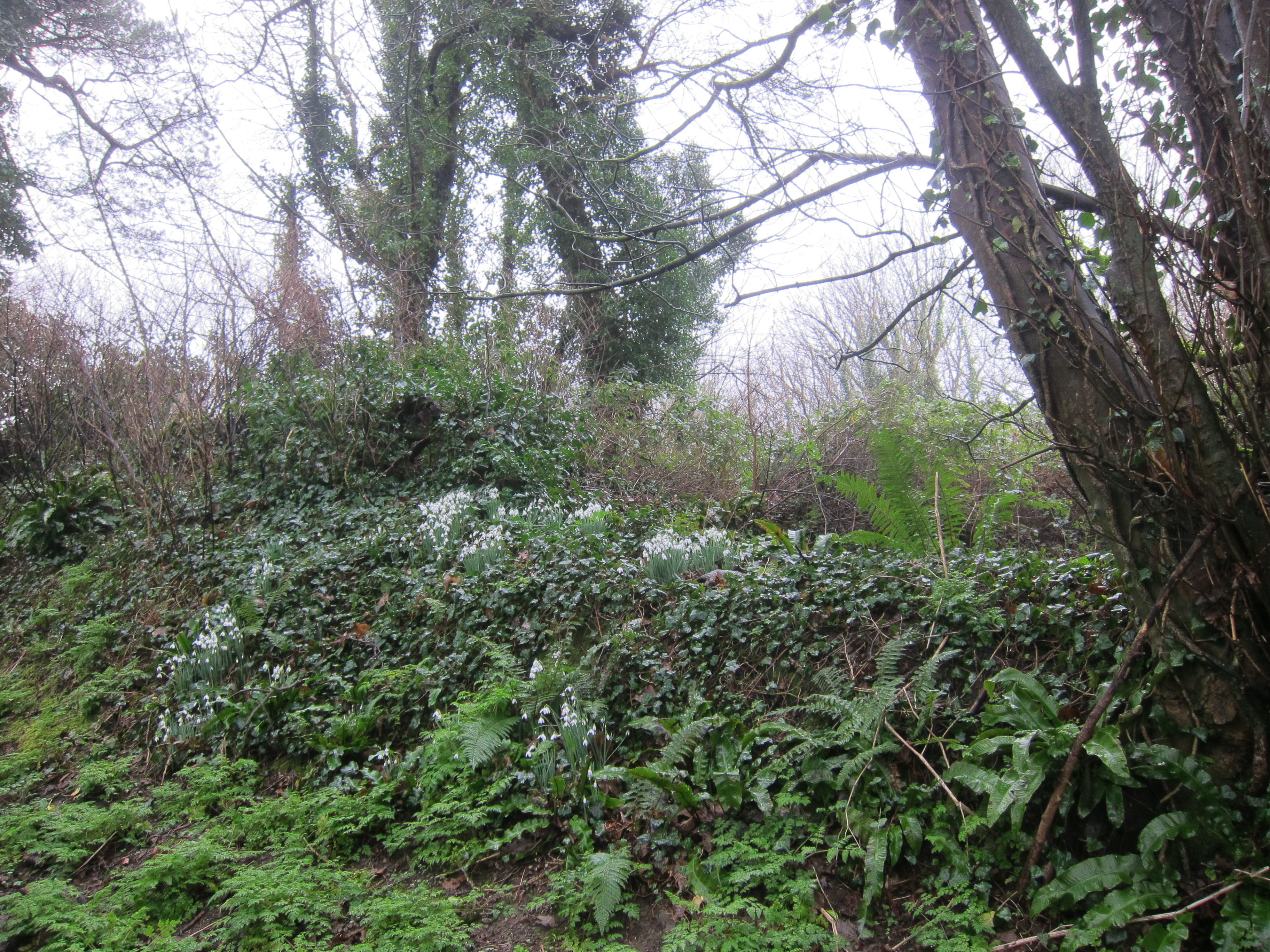
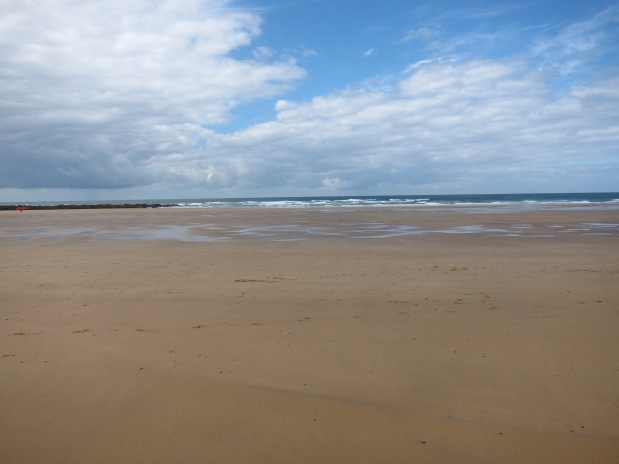
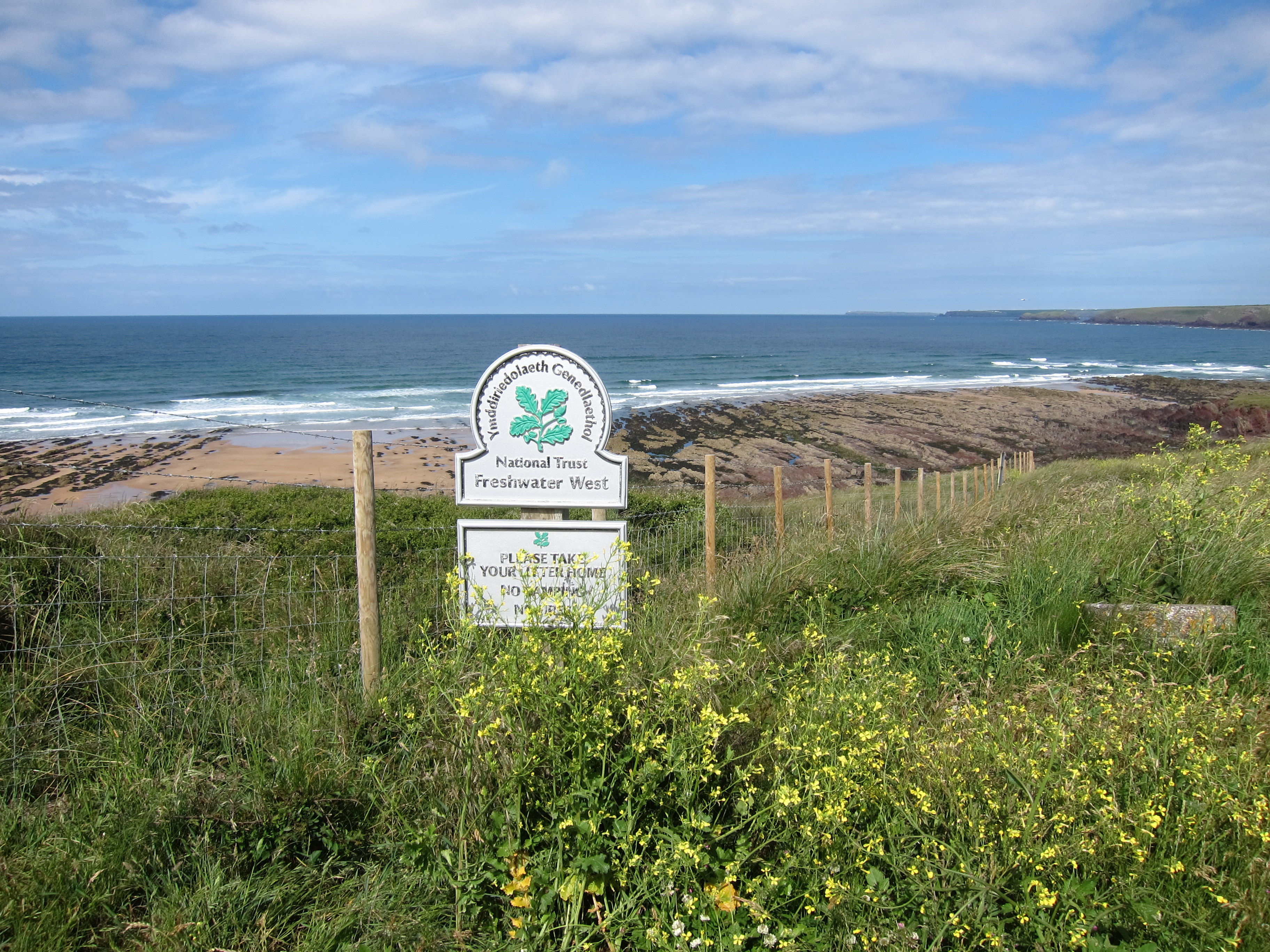 Everywhere I looked, surfers were shimmying into their gear, and there was a mobile café serving bacon or plaice rolls. I resisted temptation, and just had coffee. The beach was lovely to walk over, smooth reddish-gold sands, then the pathed climbed up. Several people had informed me that the walk from Freshwater West to West Angle Bay was one of the toughest sections, and there were quite a few steep ups and downs, however, nothing like the horrors around Tintagel. Or perhaps my poles are entirely revolutionising my ability to go up and down. I met a twitcher seeking choughs. Apparently, this stretch is well-known for them. So far, I had not seen any, and thought that I might be reduced to touching up the photographs with red, but, about ten minutes later, I did see some.
 One inlet looked like nothing so much as a stick of Toblerone – a row of triangular shaped rocks. The wildflowers continued to delight – no pyramid orchids today, but lots of thrift, and my personal favourite, the foxglove, as well as something that looked like gaura, or possibly a type of white salvia.
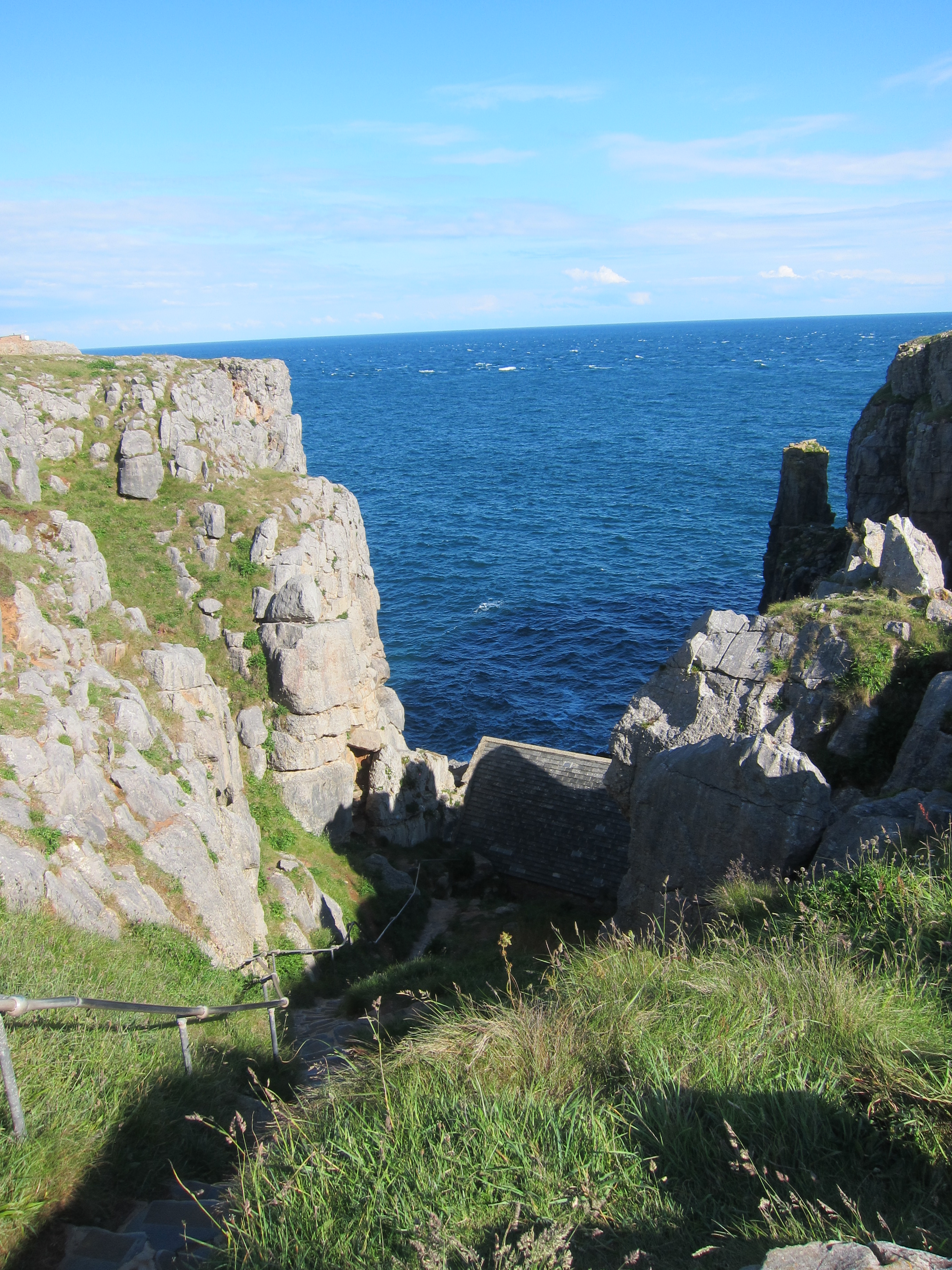
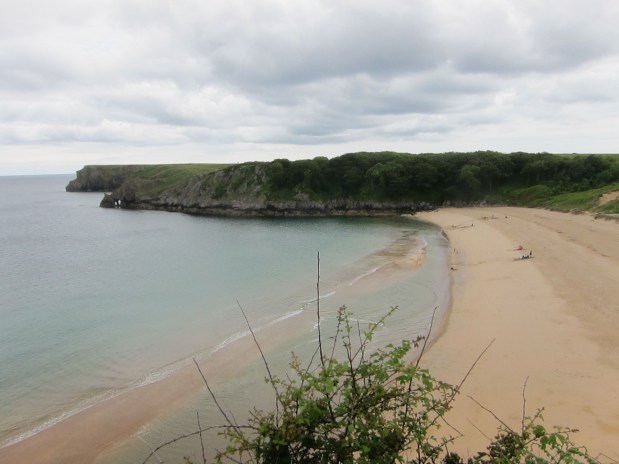
 ddled in the blankets thoughtfully provided by the host, in lieu of heating. The views were superb – the cliffs on this stretch are of the steep up and down, with long flat stretches along the top variety. I could see all the way back to Llanmadoc Hill on the Gower again. It was another wild-flower fest – red clover, some sort of sea-side loving borage, tiny little rock roses and primula calendula.
  I forgot to mention that on Monday I saw a tawny owl, down near the set-aside land at St Clear’s. I hoped for choughs today, but although there were hundreds of crows, their legs were stubbornly black. I may have to touch up a couple of photos.